

If you are comparing pet rules for apartments near The Mall at Millenia, the safest approach is to focus on the written pet policy for each community, not just whether a listing says “pet-friendly.” In this part of Orlando, renters should expect to verify the number of pets allowed, one-time pet fees, monthly pet rent, breed or weight limits, and whether the community has practical features that make daily pet care easier.
At Lorenzo, both dogs and cats are welcome, with a maximum of two pets per apartment home. The community states a non-refundable pet fee of $400 per pet and monthly pet rent of $25 per pet, and breed and weight restrictions may apply, so the current approved-breed list and any size limits should be confirmed directly with the leasing office before you apply.
What renters should check in a pet policy before choosing an apartment near Millenia
The first thing to understand is that “pet-friendly” is not the same as “simple for every pet owner.” Two communities in the same general Millenia area can differ a lot on the details that matter most in practice, such as whether cats and dogs are both accepted, whether there is a two-pet cap, and whether restrictions apply to certain breeds or larger dogs. Those details affect whether you can move in at all, and they also affect your total monthly housing cost.
Written fees matter just as much as the yes-or-no answer on pets. Some renters only compare rent and overlook the full pet cost structure, but the more useful comparison is the one-time charge plus recurring monthly pet rent. At Lorenzo, the stated policy is a $400 non-refundable pet fee per pet and $25 monthly pet rent per pet, which gives you a concrete baseline for comparing other apartments near The Mall at Millenia.
Restrictions also need careful review because they often create the biggest surprise late in the application process. If a community notes that breed and weight restrictions may apply, ask for the current written policy and make sure it matches your pet’s breed mix, age, and estimated adult size. If you have a puppy or a dog whose records use more than one breed description, it is smart to clarify how the property reviews veterinary paperwork before you pay application or administrative charges.
Documentation is another practical piece renters should not leave until move-in week. Many apartment communities require vaccination records, pet photos, registration forms, or third-party pet screening before your animal can be added to the lease. Lorenzo specifically advises renters to complete required pet paperwork and pay pet charges before the pet joins the household, which is a useful reminder that approval is usually a process, not just a verbal okay from the office.
How daily life with a pet can differ from one Millenia-area apartment to another
For many renters, the best pet policy on paper still falls short if day-to-day routines are difficult. In the Millenia area, a shopper-heavy environment and busy nearby roads can make leash walks, bathroom breaks, and loading pets into the car more of a factor than people expect. That is why it helps to look beyond the lease language and ask whether the property includes on-site spaces meant for pets.
At Lorenzo, the community states that it has a dog park and pet relief areas. That does not replace regular walks or off-site exercise for every dog, but it can make a meaningful difference for early-morning and late-evening routines, especially on workdays when you need a quick, reliable place for breaks without leaving the property.
Parking also affects pet ownership more than many renters realize, particularly if you use a car for vet visits, grooming, or trips to stores around the Millenia district. Lorenzo states that it offers open parking for residents. For pet owners, that can be useful because loading carriers, food bags, crates, or a nervous dog is generally easier when parking is straightforward, though you should still ask how parking typically works at the times you would most often be coming and going.
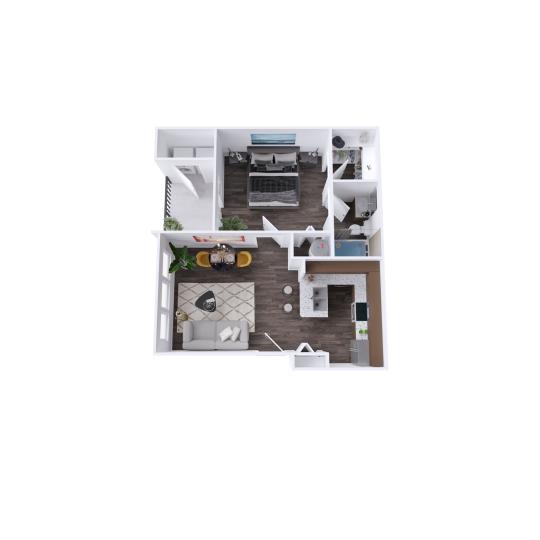
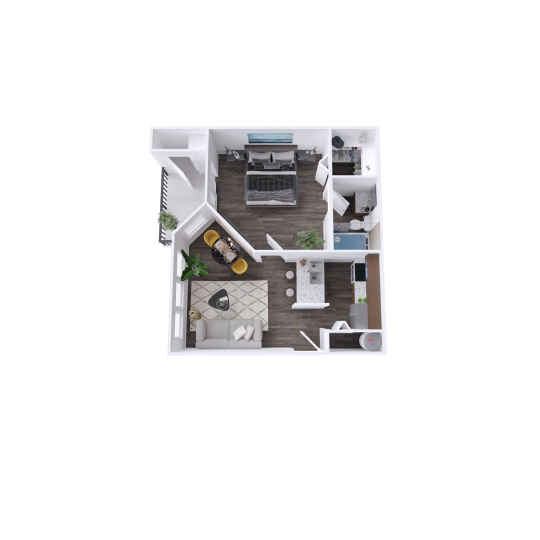
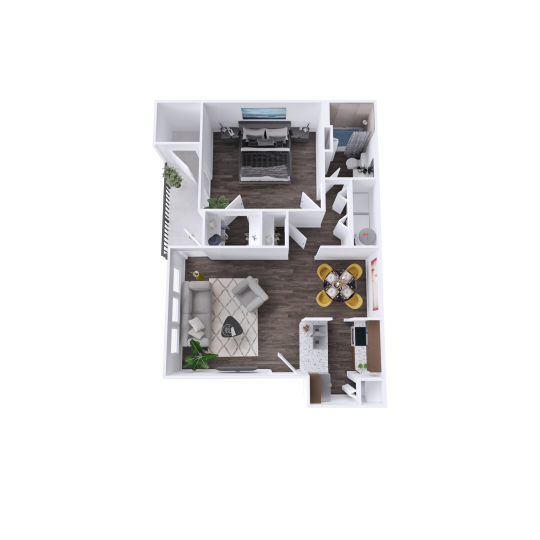
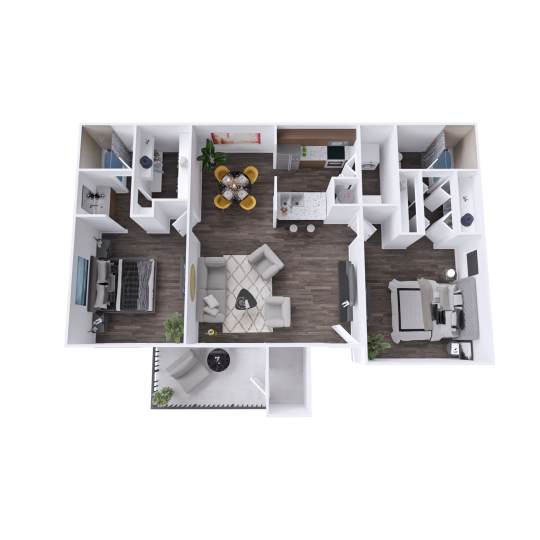
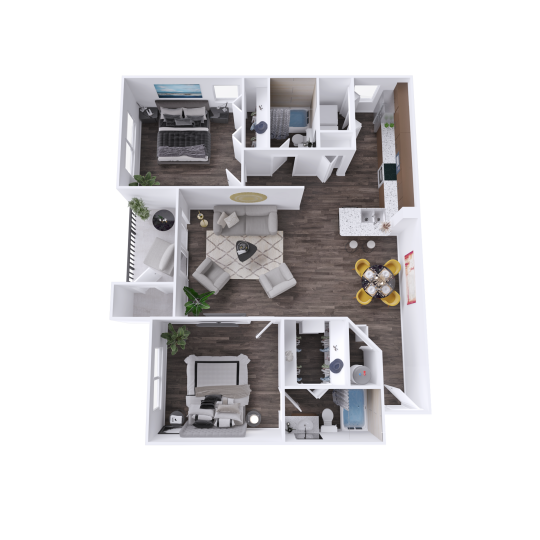
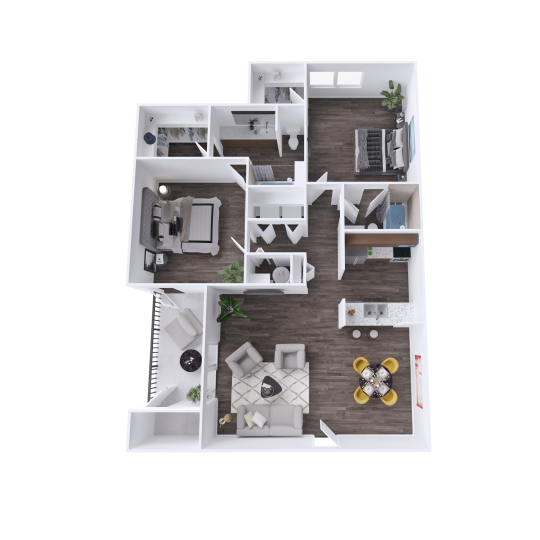
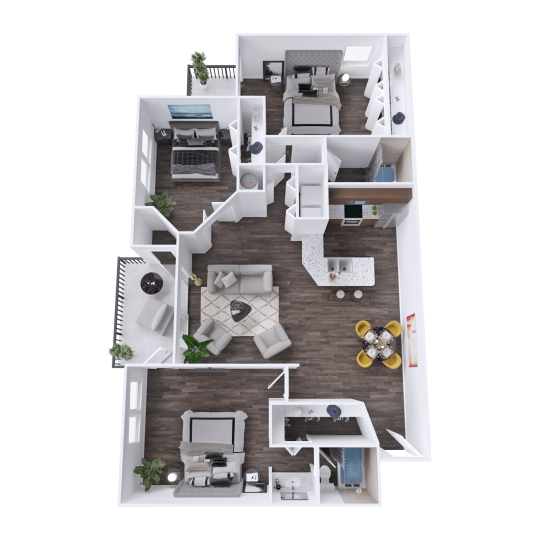
Apartment layout can matter too, especially if you are trying to fit pet beds, a litter setup, crates, or feeding stations without crowding the living area. Lorenzo offers one-, two-, and three-bedroom floor plans, and the larger layouts may give households more flexibility for separating pet space from sleeping or work areas. If you need washer and dryer connections for pet bedding or towels, note that those are listed in select homes, so you should confirm that feature for the exact apartment you are considering.
How to verify the rules without making assumptions
The most reliable way to compare pet rules is to ask each community the same small set of questions and get the answers in writing if possible. Ask whether your specific pet is eligible, what the total up-front pet charges are, what the monthly pet rent is, what documents are required, and whether any breed, weight, or age limits apply. That gives you a true apples-to-apples comparison between communities near the mall instead of relying on broad marketing language.
It also helps to ask questions based on your real routine, not just the lease terms. For example, if you work long shifts, ask where the nearest pet relief area is from the building you are touring. If you have a senior dog, ask about the walking surface and how far you would need to go for routine bathroom breaks. If you have cats, ask how the community handles window screens, balconies if applicable, and any pest-control entry procedures so you can plan ahead.
When you tour, use the visit to verify what online listings cannot show clearly. Walk the route from the parking area to the apartment, look for waste-station placement, and check whether pet areas seem easy to reach during rain or after dark. If noise matters to your animal, spend a few minutes outside and listen for traffic, neighboring dogs, and general activity levels rather than assuming the atmosphere will be the same at all times of day.
If Lorenzo is on your shortlist, a practical next step is to call or visit the leasing office and ask for the current written pet policy, including the approved-breed guidance and paperwork requirements for your specific dog or cat. That gives you the information you actually need to judge whether the community works for your pet, not just whether it allows pets in general.